The Multibenefit Land Repurposing Program (MLRP) is a state-funded initiative to reduce reliance on overdrafted groundwater basins. The multibenefit land repurposing concept supports the strategic transition of the least productive, most flood-prone irrigated land to new, lower-water uses that will help reestablish sustainable groundwater supplies, and benefit landowners, adjacent communities and freshwater ecosystems.
The Greater Monterey County Integrated Regional Water Management (IRWM) Group has been awarded a $10 million grant by the California Department of Conservation through MLRP to strategically and voluntarily acquire and repurpose the least viable, most flood-prone portions of irrigated agricultural lands in the lower Salinas Valley.
IRWM is partnering with SVBGSA, the Central Coast Wetlands Group, the California Marine Sanctuary Foundation and the Resource Conservation District of Monterey County to develop and implement this program. The Salinas Valley MLRP will support the acquisition of portions of agricultural ranches where targeted landowners who wish to transition farmlands to projects that increase groundwater recharge and storage, reduce flooding, and enhance water quality and base flow. Additional benefits can include habitat enhancement and public recreation opportunities. The program will focus efforts in the 180/400 Foot Aquifer, Eastside and Langley subbasins.
Project Partners
- California Marine Sanctuary Foundation
- Central Coast Wetlands Group
- Resource Conservation District of Monterey County
- Salinas Valley Basin Groundwater Sustainability Agency
Salinas Valley MLRP Vision
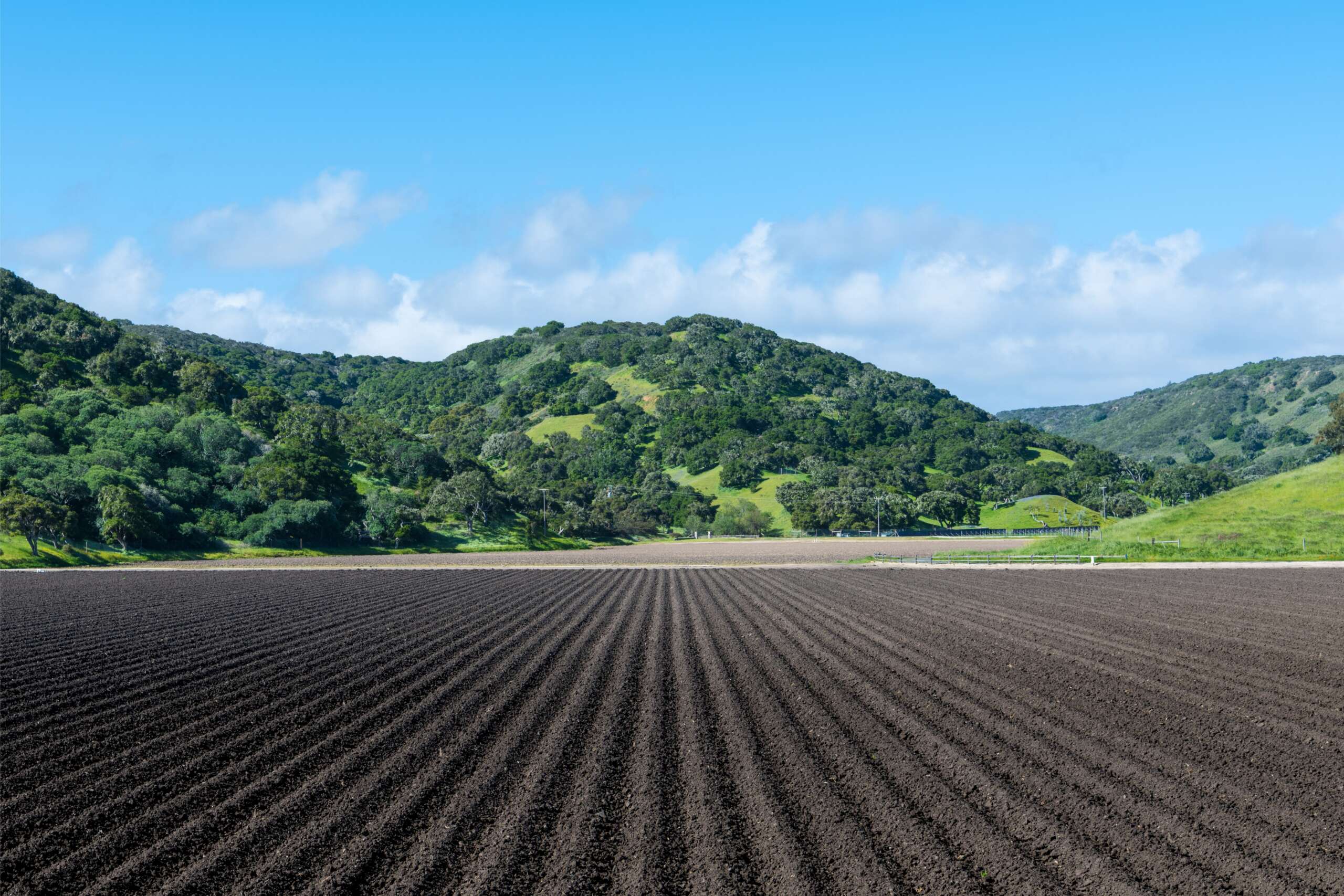
The program will work with interested landowners interested in retiring portions of their irrigated lands that are more flood-prone and least viable for production. The program develops multibenefit water resource projects compatible with adjacent, ongoing farming operations. Optimal locations for farmland acquisition as part of this program include irrigated areas that are:
- Historic creeks and lakebeds
- Highly permeable soils
- Adjacent to waterways
- Frequently flooded
Interested landowners will be fairly compensated for these lands, which will be acquired by the program with the support of four local land trusts. Lands acquired through this program will be transitioned into multibenefit projects. Example projects may include one or more of the following features:
- Floodplain restoration
- Stormwater capture and reuse
- Recharge basin
- Treatment wetland
- Riparian corridor enhancement
- Parks/open space
To learn more, please email jenny.balmagia@sjsu.edu.
MLRP in the Media
MLRPWater scarcity and groundwater overuse are driving land use dilemmas in California, particularly in agriculture. One promising solution gaining traction is multi-benefit land repurposing, which involves transforming unproductive farmland to capture rain, floods, and diverted water for groundwater recharge.
Watch this episode from Water Loop to learn more about how the Multi-Benefit Land Repurposing Program operates in the Salinas Valley Basin.
Recharge Suitability Mapping
To support the development of future MLRP projects, the SVBGSA and MLRP partners are working with Dr. Helen Dahkle and Dr. JayLee Tuil from the University of California – Davis to develop a recharge suitability map and Multi-Criteria Decision Analysis (MCDA) tool. Recharge Suitability Mapping begins with identifying the local goals of groundwater recharge. An MCDA will be an outcome of this work that will help the region prioritize suitable recharge locations.
To gather further community input for groundwater recharge in the Salinas Valley, please complete this survey to collect information about known areas of flooding and potential groundwater recharge sites. To participate in the Salinas Valley Recharge Work Group, contact SVBGSA Deputy General Manager Emily Gardner (gardnere@svbgsa.org) or indicate your interest on the survey.
Outreach and Engagement
The Salinas Valley MLRP outreach and engagement effort aims to:
- Inform and engage community members about the program.
- Invite participation and develop a shared community vision and values to help inform and guide both current projects and long-term planning.
- Identify and address potential project impacts.
- Build long-term support for the program.
Outreach is focused on landowners and growers (including socially disadvantaged farmers and ranchers), underrepresented communities, tribes, and the broader public.
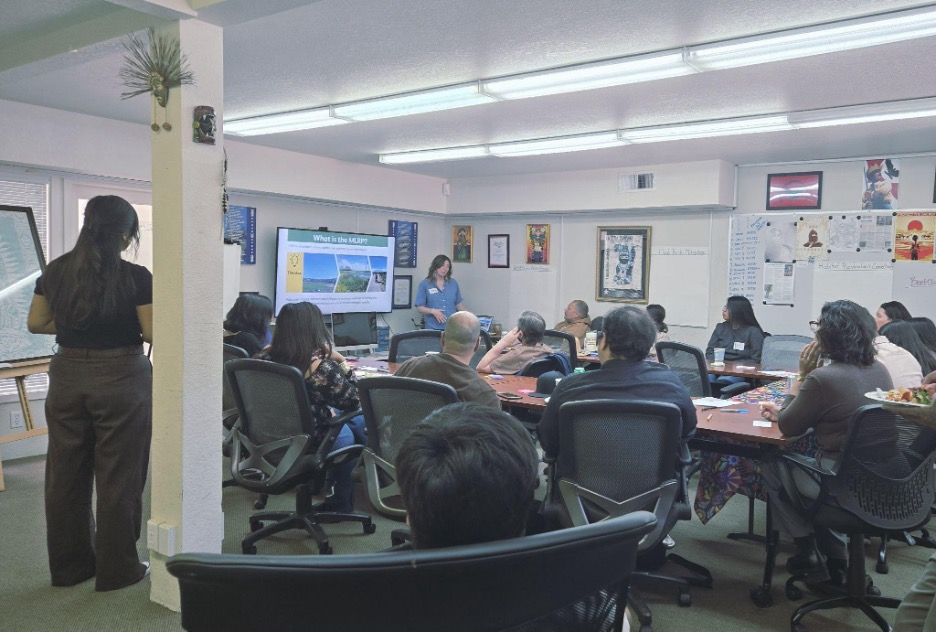
The MLRP team is seeking to reach and connect with the community through two levels of outreach:
Get Involved
Collaboration is central to this effort. The program welcomes partnerships with community-based organizations serving underrepresented communities, small growers and ranchers, tribal groups, and landowners interested in voluntarily transitioning land that is flood-prone or less viable for production.
Those wishing to support MLRP outreach — by hosting presentations, providing space at community events, or connecting the program with local communities — are encouraged to contact Leticia Torres, Community Engagement Coordinator for the Salinas Valley MLRP program, at leticia@californiamsf.org.
Community members can also get involved by sharing their priorities for future land and water use in their area through the MLRP Community Survey.